
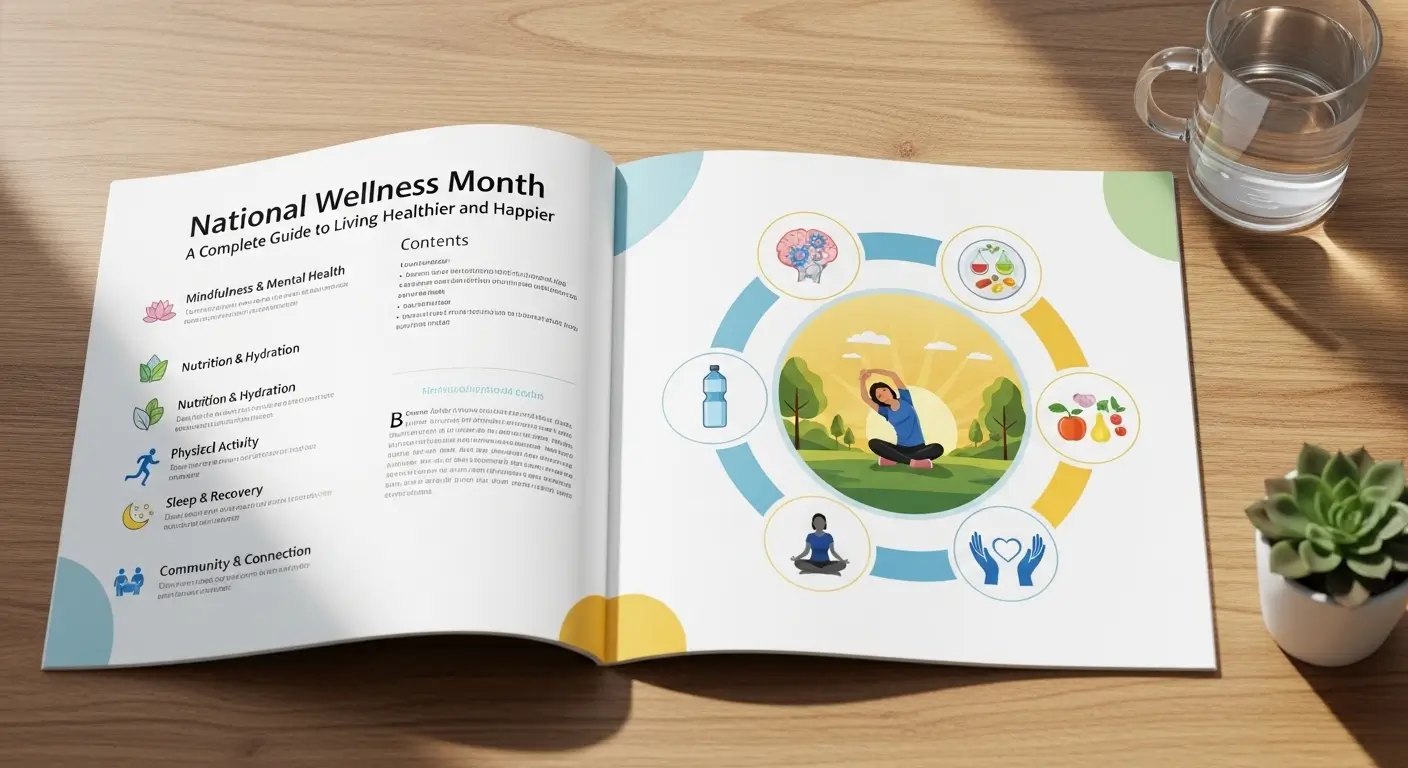
Every year, August is recognized as National Wellness Month, a time dedicated to focusing on self-care, stress management, and building healthy habits. In today’s fast-paced world, many people ignore their physical and mental health until problems arise. National Wellness Month serves as a reminder to pause, reflect, and take meaningful steps toward a balanced life.
This guide will explore what National Wellness Month is, why it matters, how you can participate, and practical steps to improve your overall well-being. Whether you are just starting your wellness journey or looking to refresh your habits, this article will give you clear and actionable insights.
What Is National Wellness Month?

National Wellness Month is observed every August. It encourages people to prioritize health in all areas of life—physical, emotional, social, and mental.
The idea behind National Wellness Month is simple: small, consistent changes can create long-term positive results. Instead of drastic lifestyle overhauls, the focus is on manageable improvements that fit into everyday routines.
Wellness is not just about eating healthy or exercising. It includes:
- Mental clarity
- Emotional balance
- Healthy relationships
- Work-life balance
- Stress management
- Preventive health care
National Wellness Month reminds us that true health goes beyond physical fitness.
Why National Wellness Month Matters
Rising Health Concerns
Modern life brings convenience, but it also increases stress and health risks. According to global health studies:
- Many adults report experiencing high stress levels daily.
- Sedentary lifestyles contribute to obesity and heart disease.
- Sleep problems are increasing worldwide.
- Anxiety and depression rates have grown in recent years.
National Wellness Month highlights these concerns and encourages proactive care instead of reactive treatment.
Prevention Is Better Than Cure
Health experts agree that prevention plays a major role in long-term well-being. Simple habits like regular exercise, healthy eating, and adequate sleep can reduce the risk of chronic diseases.
National Wellness Month motivates individuals to take control before health issues develop.
The Pillars of Wellness
To fully understand National Wellness Month, it helps to break down wellness into key areas.
1. Physical Wellness
Physical wellness focuses on maintaining a healthy body.
Key habits include:
- Exercising regularly (at least 150 minutes of moderate activity per week)
- Eating balanced meals
- Drinking enough water
- Getting 7–9 hours of sleep
- Scheduling routine medical check-ups
Small steps like daily walks or home workouts can make a big difference.
2. Mental and Emotional Wellness
Mental wellness is just as important as physical health. National Wellness Month encourages people to:
- Practice mindfulness
- Limit negative self-talk
- Take breaks from screens
- Seek support when needed
Activities like journaling, meditation, or deep breathing exercises can reduce stress and improve focus.
3. Social Wellness
Strong relationships contribute to happiness and resilience.
During National Wellness Month, consider:
- Reconnecting with friends or family
- Joining community activities
- Practicing active listening
- Setting healthy boundaries
Positive social connections improve mental health and reduce loneliness.
4. Financial Wellness
Money stress can impact overall well-being. Financial wellness includes:
- Budget planning
- Reducing unnecessary expenses
- Saving for emergencies
- Avoiding excessive debt
National Wellness Month is a great time to review your financial goals.
5. Occupational Wellness
Job satisfaction affects mental health. Improving occupational wellness may involve:
- Setting realistic work goals
- Managing time effectively
- Taking breaks during work hours
- Maintaining work-life balance
Small adjustments at work can reduce burnout.
How to Celebrate National Wellness Month
You do not need expensive programs to participate. Here are practical ideas.
Create a Personal Wellness Plan
Start by identifying areas that need attention.
Ask yourself:
- Am I sleeping enough?
- Do I move my body daily?
- Do I manage stress well?
- Are my relationships healthy?
Write down simple goals for the month.
Start a 30-Day Wellness Challenge
National Wellness Month lasts 31 days, making it perfect for a daily challenge.
Example challenge plan:
- Day 1–7: Focus on hydration
- Day 8–14: Add daily physical activity
- Day 15–21: Practice stress relief techniques
- Day 22–31: Improve sleep routine
Small daily improvements lead to lasting habits.
Prioritize Self-Care
Self-care does not mean being selfish. It means taking care of your energy and needs.
Examples of self-care:
- Reading a book
- Taking a nature walk
- Listening to calming music
- Practicing gratitude
National Wellness Month encourages guilt-free self-care.
Workplace Participation in National Wellness Month
Many companies now recognize the importance of employee wellness.
Organizations can support National Wellness Month by:
- Offering wellness workshops
- Hosting fitness challenges
- Providing mental health resources
- Encouraging flexible schedules
- Promoting healthy snacks at work
Research shows that wellness programs can increase productivity and reduce absenteeism.
The Role of Nutrition in National Wellness Month
Healthy eating plays a major role in wellness.
Simple nutrition tips:
- Include fruits and vegetables in every meal
- Choose whole grains over processed foods
- Limit sugar and fried foods
- Stay hydrated
Balanced meals provide energy and improve mood.
The Importance of Sleep
Sleep is often overlooked but essential for health.
Benefits of proper sleep:
- Improved memory
- Better mood
- Stronger immune system
- Reduced stress levels
During National Wellness Month, focus on creating a sleep-friendly routine:
- Avoid screens before bedtime
- Keep a consistent sleep schedule
- Create a calm environment
Stress Management Strategies
Stress affects nearly everyone. National Wellness Month is the perfect time to build stress-management habits.
Effective techniques include:
- Deep breathing exercises
- Yoga or stretching
- Meditation
- Limiting social media
- Spending time outdoors
Managing stress improves both physical and mental health.
Building Long-Term Habits Beyond National Wellness Month
While National Wellness Month is celebrated in August, wellness should be a year-round priority.
Tips for lasting change:
- Set realistic goals
- Track progress
- Celebrate small wins
- Stay flexible
- Avoid perfectionism
Consistency matters more than intensity.
Common Wellness Myths
Myth 1: Wellness Is Expensive
Truth: Many healthy habits are free, such as walking, stretching, and drinking water.
Myth 2: You Need Extreme Diets
Truth: Balanced nutrition is better than strict restrictions.
Myth 3: Wellness Is Only Physical
Truth: Mental and emotional health are equally important.
National Wellness Month helps break these misconceptions.
Benefits of Participating in National Wellness Month
People who actively focus on wellness often experience:
- Increased energy
- Better mood
- Improved focus
- Stronger relationships
- Reduced stress
- Better overall life satisfaction
The benefits go beyond physical appearance.
Inspiring Others During National Wellness Month
Wellness grows stronger in community.
You can inspire others by:
- Sharing healthy recipes
- Organizing group workouts
- Encouraging open conversations about mental health
- Supporting friends in their goals
Positive actions can influence many people.
The Future of National Wellness Month
As awareness grows, National Wellness Month continues to gain attention globally. More individuals and organizations are recognizing that prevention, balance, and mental health awareness are essential in modern life.
Technology, online fitness programs, wellness apps, and virtual communities make participation easier than ever.
Final Thoughts
National Wellness Month is more than just a calendar event. It is a reminder to slow down and prioritize what truly matters—your health, happiness, and balance.
By focusing on small, meaningful improvements in areas like physical activity, nutrition, sleep, stress management, and relationships, you can create lasting positive change. You do not need perfection. You need commitment.
Use National Wellness Month as a starting point, not a finish line. Make wellness a continuous journey. Your body and mind will thank you—not just in August, but every single day of the year.