
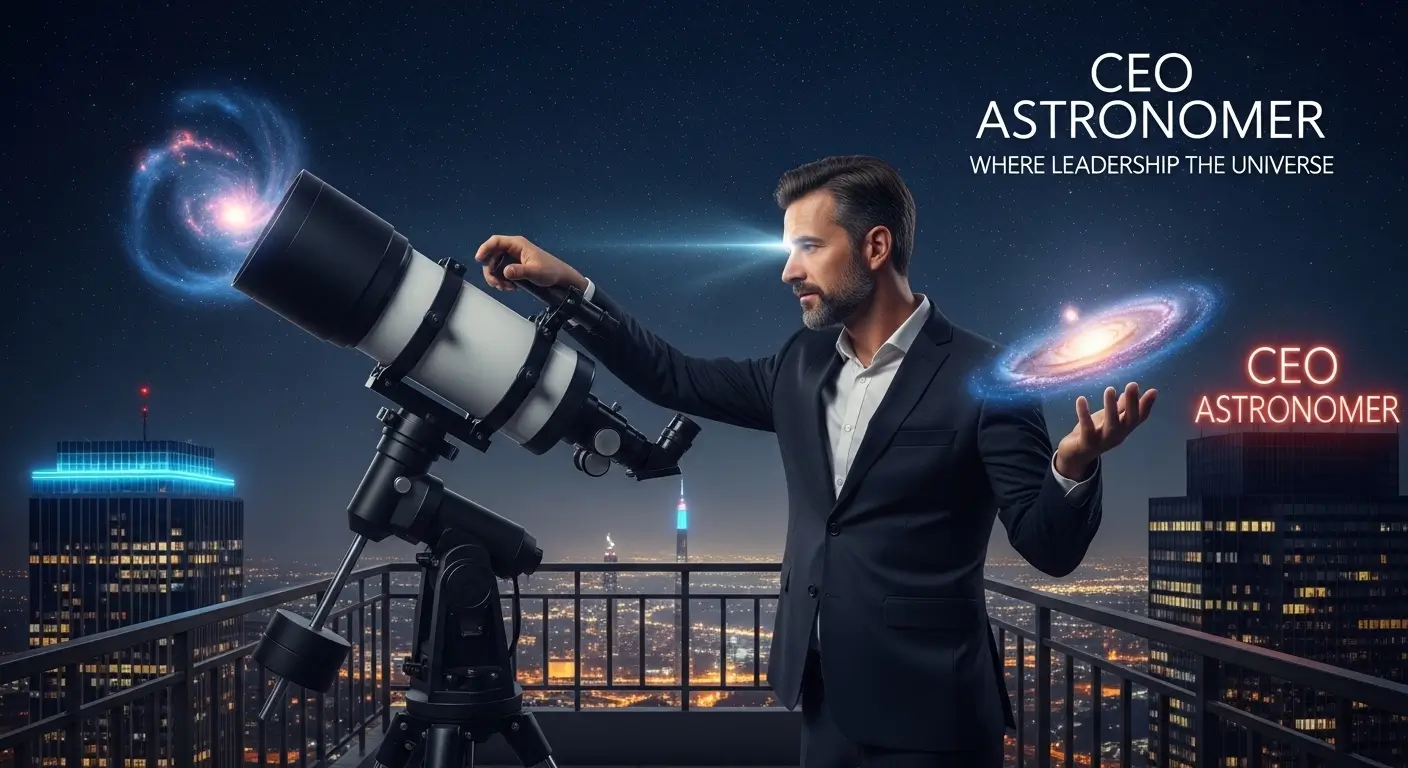
In today’s fast-changing world, leadership is no longer limited to boardrooms and business reports. Some leaders are looking beyond Earth—literally. The idea of a CEO astronomer is becoming more relevant as science, space exploration, and business innovation come together.
A CEO astronomer is not just a business leader or a scientist. It is a powerful combination of both—someone who understands the universe and also knows how to lead organizations, build teams, and drive innovation. This blend of skills is shaping the future of industries like space technology, research, and advanced innovation.
In this article, we will explore what a CEO astronomer is, why this role matters, the skills required, real-world examples, and how someone can move toward this unique career path.
What Is a CEO Astronomer?
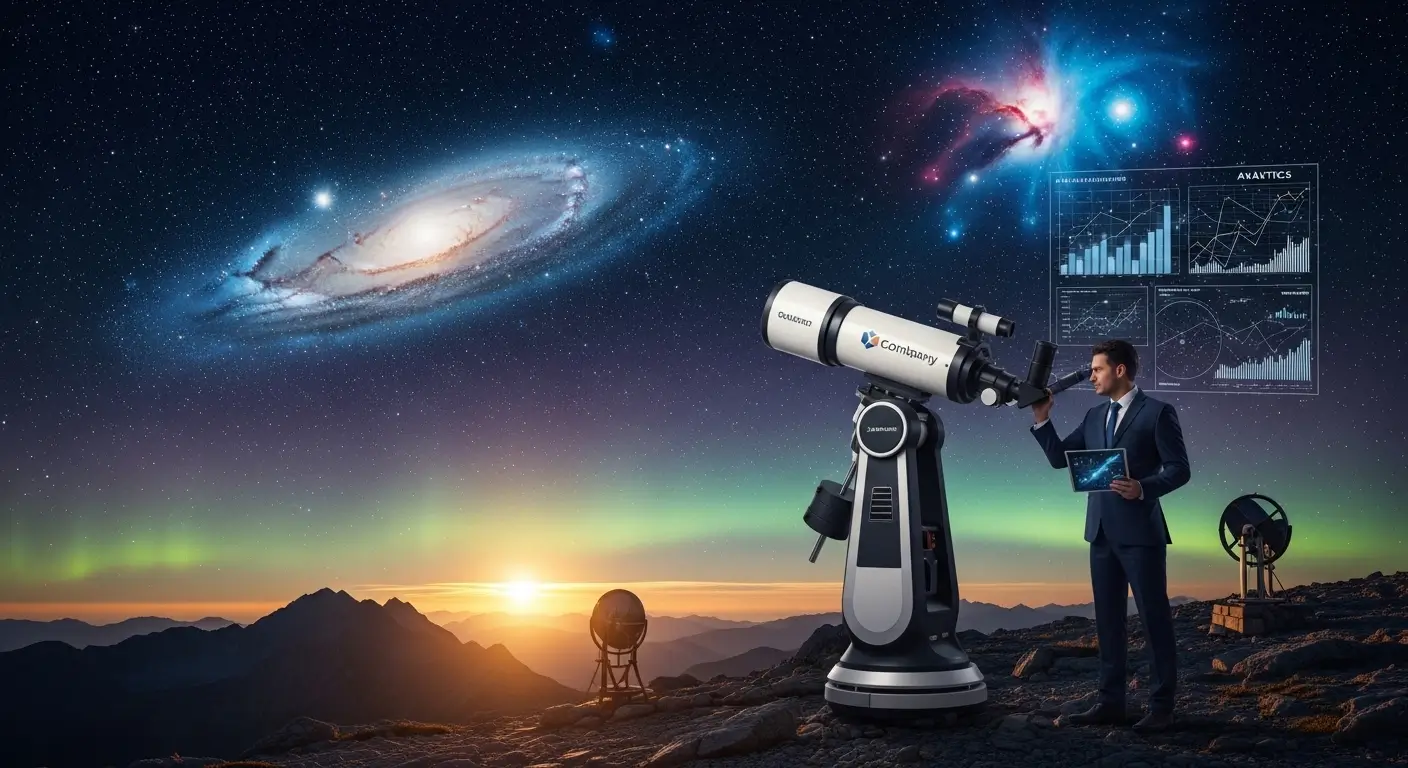
A CEO astronomer is a leader who combines deep knowledge of astronomy or space science with strong business and leadership skills. This person may:
- Lead a space-related company
- Manage scientific research organizations
- Work in space technology startups
- Bridge the gap between science and business
Unlike traditional CEOs, a CEO astronomer often understands both:
- The technical side of space science
- The strategic side of running an organization
This combination allows them to make better decisions in industries related to space and innovation.
Why the CEO Astronomer Role Is Growing
The Rise of the Space Industry
The global space industry is growing rapidly. According to industry estimates, the space economy is expected to reach over $1 trillion by 2040. This growth is driven by:
- Satellite technology
- Space tourism
- Private space companies
- Scientific research
With such expansion, companies need leaders who understand both business and science.
The Need for Science-Based Leadership
Modern companies often deal with complex technologies. In space-related fields, decisions cannot be made without scientific understanding.
A CEO astronomer brings:
- Technical knowledge
- Strategic thinking
- Innovation-driven leadership
This makes them highly valuable in today’s world.
Key Skills of a CEO Astronomer
To become a successful CEO astronomer, a person needs a mix of skills from different fields.
1. Scientific Knowledge
A strong foundation in astronomy or space science is essential.
This includes understanding:
- Planets and stars
- Space systems
- Satellite technology
- Data analysis
This knowledge helps in making informed decisions.
2. Leadership and Management Skills
A CEO must lead teams, manage resources, and set goals.
Important leadership skills include:
- Decision-making
- Team management
- Problem-solving
- Communication
A CEO astronomer must guide both scientists and business professionals.
3. Strategic Thinking
Planning for the future is critical.
A CEO astronomer should:
- Identify opportunities
- Analyze risks
- Develop long-term strategies
This helps in building successful organizations.
4. Innovation and Creativity
Space-related industries require constant innovation.
A CEO astronomer must:
- Encourage new ideas
- Support research and development
- Adapt to new technologies
Innovation drives growth and success.
Real-World Examples of CEO Astronomer-Like Roles
While the exact title “CEO astronomer” is rare, many leaders combine science and business.
Leaders in Space Companies
Some leaders in space organizations have strong scientific backgrounds and business skills. They:
- Lead major space missions
- Manage large teams
- Develop new technologies
These individuals represent the concept of a CEO astronomer.
Scientists Turned Entrepreneurs
Many scientists start their own companies. They use their knowledge to:
- Build innovative products
- Solve complex problems
- Lead successful startups
This path closely matches the CEO astronomer role.
Responsibilities of a CEO Astronomer
A CEO astronomer handles multiple responsibilities.
Strategic Leadership
They set the vision and direction of the organization.
Tasks include:
- Planning future projects
- Setting goals
- Making key decisions
Managing Teams
They work with:
- Scientists
- Engineers
- Business professionals
They ensure all teams work together effectively.
Driving Innovation
They encourage research and development.
This may involve:
- Investing in new technologies
- Supporting experiments
- Exploring new ideas
Business Growth
They focus on:
- Increasing revenue
- Building partnerships
- Expanding the organization
Challenges Faced by a CEO Astronomer
Balancing Science and Business
One of the biggest challenges is balancing:
- Scientific accuracy
- Business goals
Both are important, but they may not always align.
High Risk and Uncertainty
Space projects often involve:
- High costs
- Technical risks
- Uncertain outcomes
A CEO astronomer must manage these risks carefully.
Keeping Up with Rapid Changes
Technology is evolving quickly. Leaders must stay updated with:
- New discoveries
- Emerging technologies
- Market trends
How to Become a CEO Astronomer
Step 1: Study Astronomy or a Related Field
Start with education in:
- Astronomy
- Physics
- Space science
This builds a strong foundation.
Step 2: Gain Experience
Work in:
- Research institutions
- Space organizations
- Technology companies
Experience helps develop practical skills.
Step 3: Learn Business Skills
Study:
- Management
- Finance
- Leadership
This prepares you for executive roles.
Step 4: Build Leadership Experience
Take on roles that involve:
- Managing teams
- Leading projects
- Making decisions
Leadership experience is essential.
Step 5: Move into Executive Roles
With the right mix of skills, you can move into:
- Senior management
- Director positions
- CEO roles
Industries Where CEO Astronomers Work
Space Technology Companies
These companies focus on:
- Satellites
- Launch systems
- Space exploration
Research Organizations
They conduct:
- Scientific studies
- Space research
- Data analysis
Aerospace Industry
This includes:
- Aircraft technology
- Space missions
- Engineering solutions
Technology Startups
Many startups focus on:
- Space data
- AI in astronomy
- Innovative tools
Impact of CEO Astronomers on the World
Advancing Space Exploration
CEO astronomers help:
- Launch missions
- Explore new planets
- Expand human knowledge
Driving Innovation
Their work leads to:
- New technologies
- Better communication systems
- Scientific breakthroughs
Inspiring Future Generations
They inspire students and young professionals to:
- Study science
- Explore space
- Think big
The Future of CEO Astronomers
Growing Demand
As the space industry grows, more leaders with scientific knowledge will be needed.
New Opportunities
Future opportunities may include:
- Space tourism companies
- Mars exploration projects
- Advanced satellite systems
Integration of AI and Space Science
Artificial intelligence will play a big role in:
- Data analysis
- Space missions
- Decision-making
CEO astronomers will need to understand these technologies.
Key Traits of a Successful CEO Astronomer
To succeed, a CEO astronomer should have:
- Curiosity about the universe
- Strong leadership skills
- Ability to learn continuously
- Confidence in decision-making
- Passion for innovation
Why This Role Matters Today
The world is moving toward advanced technology and exploration. A CEO astronomer represents the future of leadership—someone who can:
- Understand complex science
- Lead organizations effectively
- Drive innovation
This role is important for progress in both science and business.
Final Thoughts
The concept of a CEO astronomer shows how leadership is evolving in the modern world. It is no longer enough to understand only business or only science. The future belongs to those who can combine both.
A CEO astronomer stands at the intersection of discovery and decision-making. They guide organizations while exploring the mysteries of the universe. Their work shapes industries, inspires people, and pushes the boundaries of what is possible.
Whether you are a student, a professional, or simply curious about space and leadership, this path offers endless opportunities. With the right mindset, skills, and dedication, anyone can aim to become a CEO astronomer and be part of the future of innovation and exploration.