
Introduction
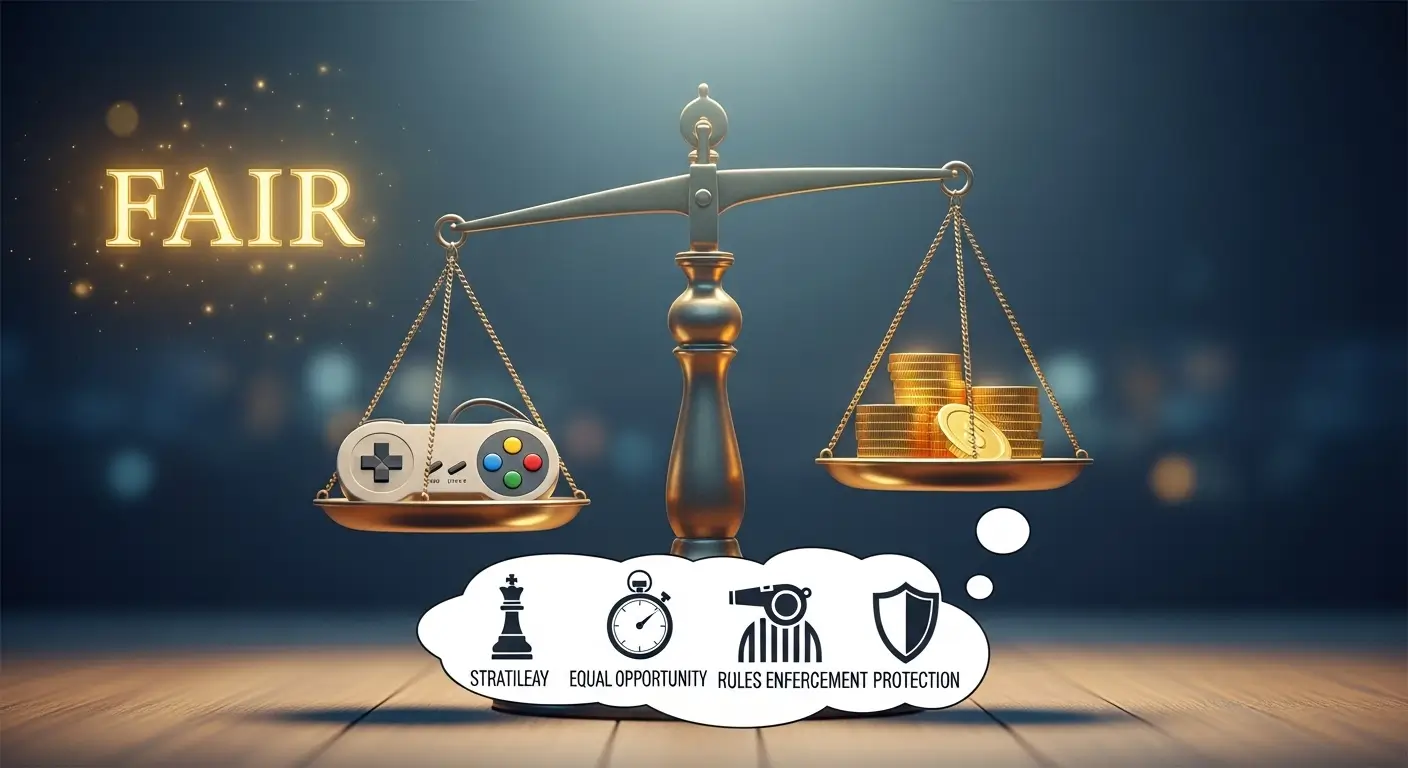
A game is said to be fair if all players have an equal chance to win and the rules apply equally to everyone.
Fairness is one of the most important elements of any game, whether it is a computer game, board game, sport, or online competition. Without fairness, players lose trust, interest, and enjoyment.
In this article, we will explain what it means when a game is said to be fair, the conditions of fairness, examples, and why fairness matters in games.
What Does “A Game Is Said to Be Fair If” Mean?
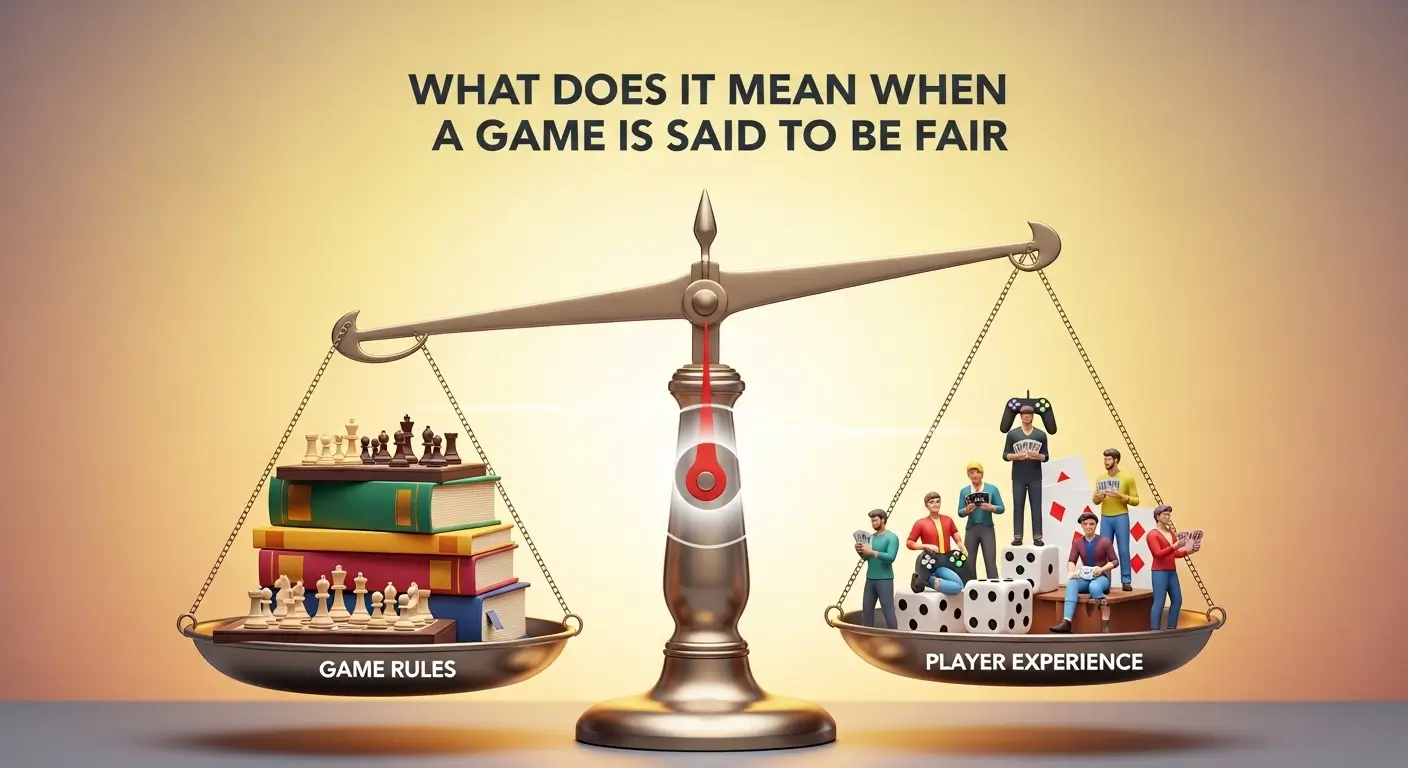
A game is said to be fair if no player has an unfair advantage over others. This means:
- Rules are clear and fixed
- All players follow the same rules
- Winning depends on skill, strategy, or luck equally
Fair games create a balanced and enjoyable experience for everyone.
Importance of Fairness in Games
Fairness is important because it:
- Builds trust among players
- Encourages healthy competition
- Increases enjoyment and satisfaction
- Prevents cheating and favoritism
If a game is unfair, players may feel frustrated and stop playing.
A Game Is Said to Be Fair If All Players Follow the Same Rules
One of the main conditions of fairness is equal rules.
Equal Rules for Everyone
All players must follow the same rules from the beginning to the end of the game. No player should receive special privileges.
No Rule Changes Mid-Game
Rules should not change during gameplay, as this creates confusion and unfair advantage.
A Game Is Said to Be Fair If Every Player Has Equal Opportunities
Fair games ensure equal opportunities for success.
Same Starting Conditions
Each player should start with:
- The same resources
- The same time
- The same abilities
Balanced Game Design
Game design should avoid giving certain players more power without effort or skill.
A Game Is Said to Be Fair If There Is No Cheating
Cheating destroys fairness completely.
Honest Gameplay
Players must play honestly and respect the rules.
Anti-Cheat Systems
In digital games, anti-cheat tools help maintain fairness by preventing hacks or unfair tricks.
A Game Is Said to Be Fair If Luck Is Balanced
Luck is a part of many games, but it should be balanced.
Controlled Randomness
Luck-based elements should affect all players equally.
Fair Probability
No player should have better chances because of hidden advantages.
A Game Is Said to Be Fair If Skill Matters
Skill-based games reward practice and strategy.
Skill Over Advantage
Winning should depend more on:
- Decision-making
- Practice
- Strategy
Learning Curve
All players should have a fair chance to improve their skills.
Fairness in Computer and Online Games
Fairness is especially important in digital games.
Equal Access to Features
Paid features should not give unfair advantages over free players.
Matchmaking Systems
Fair matchmaking pairs players with similar skill levels.
Regular Updates and Fixes
Developers must fix bugs and balance issues to maintain fairness.
Fairness in Sports and Physical Games
Sports games also depend heavily on fairness.
Referees and Officials
Officials ensure rules are followed correctly.
Fair Equipment
All players must use approved and similar equipment.
Clear Scoring Systems
Points and penalties should be counted accurately.
Examples of Fair and Unfair Games
Example of a Fair Game
A board game where all players start with equal pieces, follow the same rules, and win through strategy.
Example of an Unfair Game
A game where one player starts with extra powers or can break rules without punishment.
Why Players Care About Fair Games
Players prefer fair games because:
- They feel respected
- Effort feels meaningful
- Winning feels earned
Fairness keeps players engaged and loyal.
How Developers Ensure a Game Is Fair
Game developers use several methods to ensure fairness.
Game Testing
Testing helps identify unfair advantages.
Player Feedback
Listening to players helps fix balance issues.
Continuous Improvements
Updates keep the game fair over time.
Educational Value of Fair Games
Fair games teach valuable life lessons such as:
- Honesty
- Respect for rules
- Sportsmanship
This makes games useful learning tools, especially for children.
A Game Is Said to Be Fair If It Encourages Positive Competition
Fair games promote:
- Healthy rivalry
- Mutual respect
- Enjoyment for all players
Competition should be fun, not frustrating.
Challenges in Maintaining Fairness
Maintaining fairness can be difficult due to:
- Cheating
- Skill gaps
- Technology misuse
However, clear rules and monitoring help reduce these issues.
Why Fairness Determines Game Success
A game’s success often depends on fairness.
Fair games:
- Attract more players
- Build long-term communities
- Maintain good reputation
Unfair games usually fail over time.
Conclusion:
A game is said to be fair if it provides equal rules, equal opportunities, balanced luck, and skill-based outcomes for all players. Fairness creates trust, enjoyment, and long-lasting engagement.
Whether it is a computer game, sport, or simple board game, fairness is the foundation of a great gaming experience. When games are fair, everyone enjoys playing, learning, and competing.