
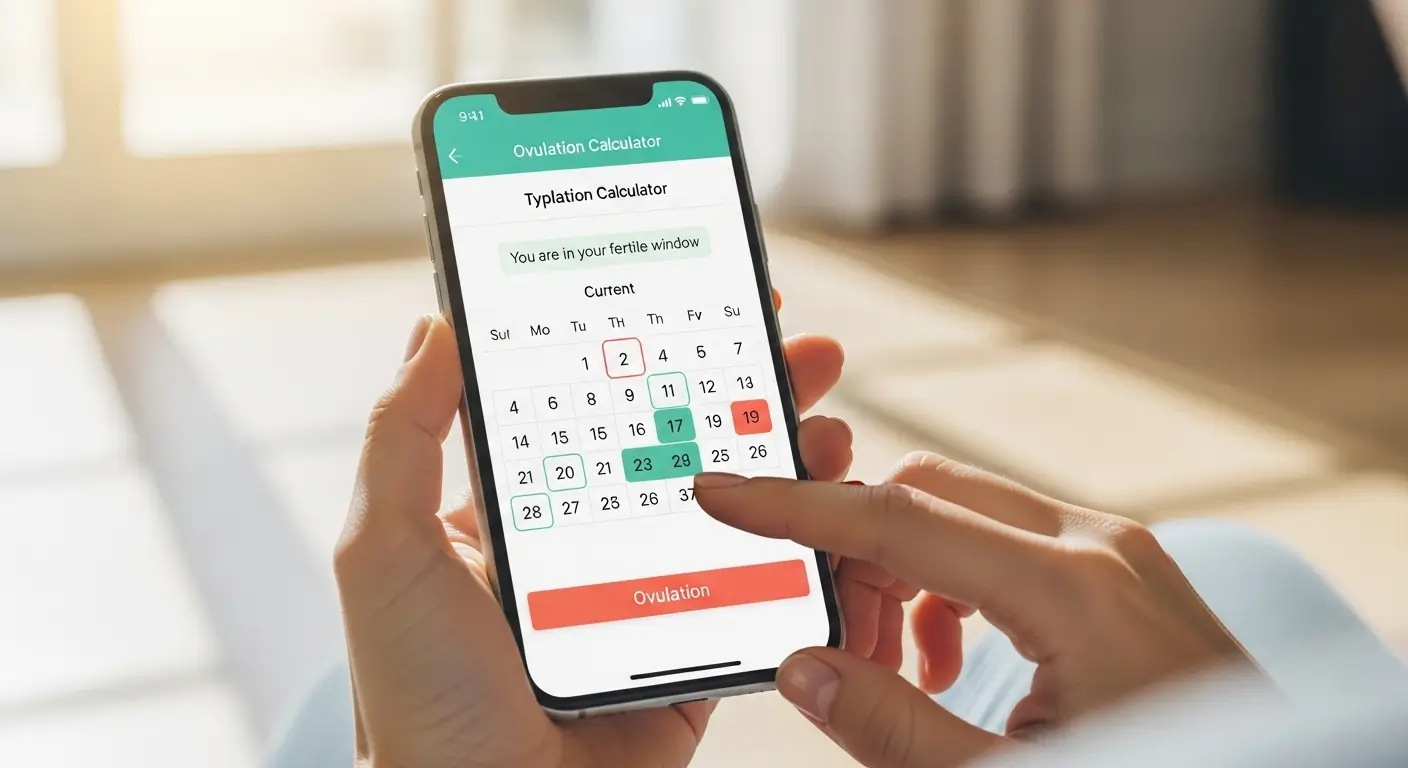
Understanding your body is one of the most powerful steps you can take toward better health and family planning. For women trying to conceive—or even those trying to avoid pregnancy—knowing when ovulation occurs is essential. This is where an ovulation calculator becomes incredibly helpful.
An ovulation calculator is a simple yet effective tool that helps estimate your most fertile days based on your menstrual cycle. It gives you a clearer picture of your body’s natural rhythm, making it easier to plan ahead.
In this detailed guide, we will explore everything you need to know about an ovulation calculator, how it works, why it matters, and how to use it effectively.
What Is an Ovulation Calculator?
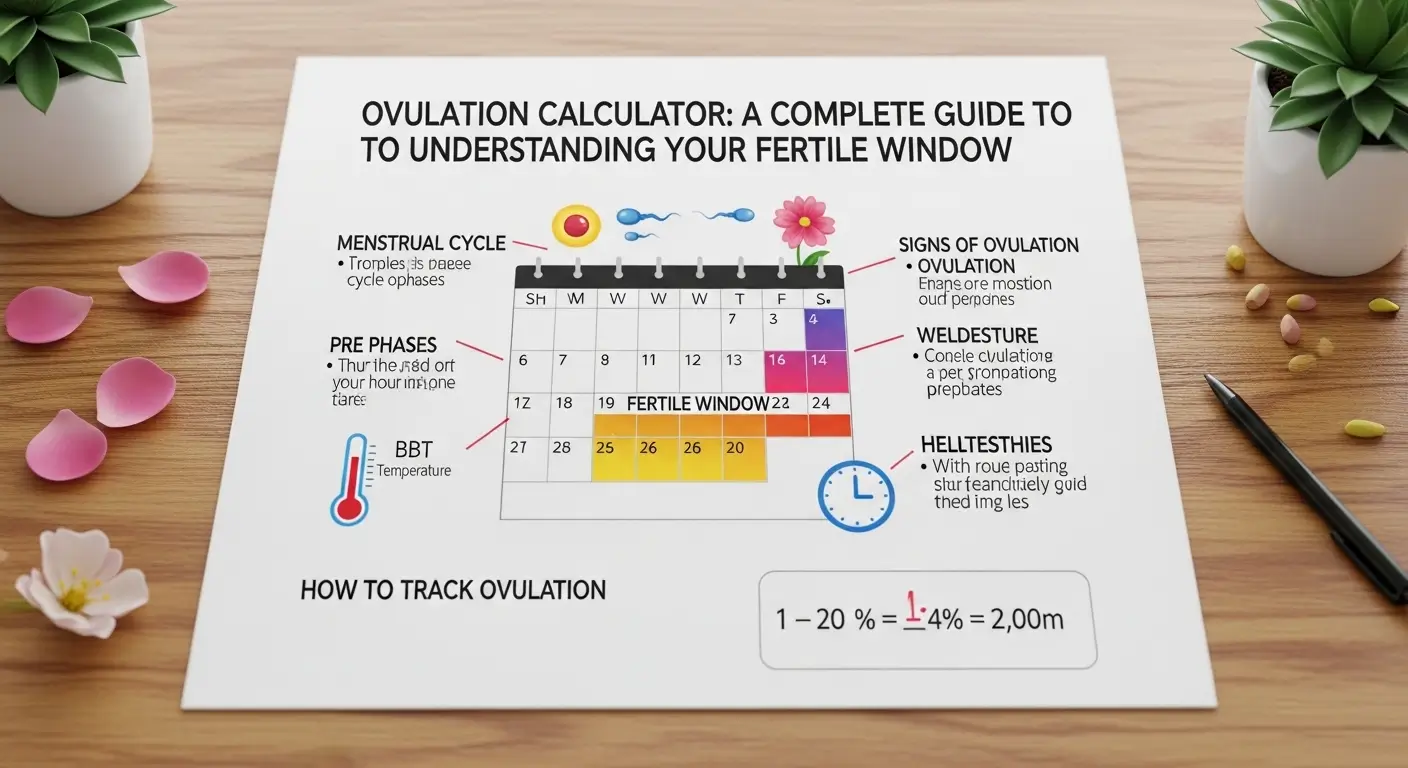
An ovulation calculator is a tool that predicts when you are most likely to ovulate. Ovulation is the time during your cycle when your ovary releases an egg, making it the best time for conception.
This tool typically uses:
- The first day of your last menstrual period
- The average length of your cycle
Based on this information, it estimates:
- Your ovulation day
- Your fertile window (the days when pregnancy is most likely)
Why Ovulation Matters
Ovulation is a key part of the reproductive cycle. Without ovulation, pregnancy cannot occur.
Key Facts About Ovulation
- Ovulation usually happens once per cycle
- The egg survives for about 12 to 24 hours
- Sperm can live inside the body for up to 5 days
This means your fertile window is not just one day—it includes several days before ovulation.
How an Ovulation Calculator Works
An ovulation calculator works by analyzing your cycle pattern.
Basic Formula
Most calculators use this simple method:
- Ovulation occurs about 14 days before your next period
Example
If your cycle is 28 days:
- Ovulation likely happens around day 14
If your cycle is 30 days:
- Ovulation likely happens around day 16
Understanding the Fertile Window
The fertile window is the time when pregnancy is most likely.
Fertile Days Include:
- 5 days before ovulation
- The day of ovulation
- 1 day after ovulation
Why This Matters
Since sperm can survive for several days, having intercourse before ovulation increases the chances of fertilization.
Benefits of Using an Ovulation Calculator
Using an ovulation calculator offers many advantages.
1. Helps with Family Planning
Whether you want to conceive or avoid pregnancy, timing is everything.
2. Easy to Use
Most calculators require only basic information.
3. Saves Time
Instead of guessing, you get clear estimates instantly.
4. Improves Awareness
You learn more about your body and cycle patterns.
Who Should Use an Ovulation Calculator?
An ovulation calculator is useful for:
- Women trying to conceive
- Women tracking their cycle
- Couples planning pregnancy
- Women with regular menstrual cycles
Even if your cycle is not perfectly regular, it can still provide helpful estimates.
Signs of Ovulation to Watch For
While an ovulation calculator is helpful, combining it with physical signs can improve accuracy.
Common Ovulation Signs
- Change in cervical mucus (clear and stretchy)
- Mild abdominal pain (ovulation pain)
- Slight increase in body temperature
- Increased libido
- Breast tenderness
Tracking these signs alongside a calculator gives better results.
How to Use an Ovulation Calculator Correctly
Using an ovulation calculator is simple, but accuracy depends on proper input.
Step-by-Step Guide
- Track the first day of your last period
- Know your average cycle length
- Enter the information into the calculator
- Review your predicted ovulation day
- Plan accordingly
Tips for More Accurate Results
To get the best results from an ovulation calculator:
- Track your cycle for at least 3 months
- Use the average cycle length
- Combine with physical ovulation signs
- Avoid relying on it alone if cycles are irregular
Ovulation Calculator for Irregular Cycles
If your cycle is irregular, predictions may be less accurate.
What You Can Do
- Track your cycle for a longer period
- Use ovulation predictor kits
- Monitor body temperature daily
- Consult a healthcare professional if needed
Ovulation and Pregnancy Chances
Understanding timing can increase the chances of conception.
Statistics
- The chance of pregnancy is highest 1–2 days before ovulation
- Healthy couples have about a 20–25% chance per cycle
- Around 80% of couples conceive within one year
Timing intercourse during the fertile window improves success rates.
Common Mistakes When Using an Ovulation Calculator
Even though it’s simple, mistakes can reduce accuracy.
Avoid These Mistakes
- Guessing cycle length instead of tracking
- Ignoring irregular patterns
- Not updating data regularly
- Relying only on predictions without signs
Ovulation Calculator vs Other Methods
There are several ways to track ovulation.
Comparison
Ovulation Calculator
- Easy and quick
- Good for regular cycles
Basal Body Temperature
- More accurate
- Requires daily tracking
Ovulation Predictor Kits
- Detect hormone levels
- Higher accuracy
Cycle Tracking Apps
- Combine multiple methods
- Convenient and detailed
Using multiple methods together gives better results.
Digital Ovulation Calculators and Apps
Today, many apps and online tools make tracking easier.
Features Include
- Cycle tracking
- Ovulation predictions
- Fertility reminders
- Health insights
These tools make it easier to stay consistent and informed.
Emotional and Mental Aspects
Trying to conceive can be stressful. An ovulation calculator helps reduce uncertainty.
Benefits
- Gives a sense of control
- Reduces guesswork
- Builds confidence
However, it’s important to stay relaxed and patient during the process.
When to See a Doctor
If you’ve been trying to conceive without success, consider medical advice.
Seek Help If:
- You’ve tried for 12 months without success
- Your cycles are very irregular
- You have known health issues
Early guidance can make a big difference.
Myths About Ovulation Calculators
There are many misconceptions.
Common Myths
Myth 1: Ovulation always happens on day 14
Fact: It varies depending on cycle length
Myth 2: The calculator is always 100% accurate
Fact: It provides estimates, not guarantees
Myth 3: You can only get pregnant on ovulation day
Fact: The fertile window includes several days before
Lifestyle Tips to Support Ovulation
Healthy habits can improve reproductive health.
Helpful Tips
- Maintain a balanced diet
- Exercise regularly
- Manage stress
- Get enough sleep
- Avoid smoking and excessive alcohol
These habits support overall fertility.
Future of Ovulation Tracking
Technology continues to improve how we track fertility.
What to Expect
- Smarter apps with AI predictions
- Wearable devices for tracking cycles
- Personalized fertility insights
These advancements will make ovulation tracking even more accurate and user-friendly.
Why an Ovulation Calculator Is Important
An ovulation calculator is more than just a tool—it’s a guide to understanding your body. It empowers women with knowledge and helps them make informed decisions about their health and future.
Final Thoughts
An ovulation calculator is a simple yet powerful way to track your fertility and better understand your menstrual cycle. Whether you are planning for pregnancy or simply want to stay informed, it provides valuable insights with minimal effort.
By combining this tool with awareness of your body and healthy lifestyle choices, you can take control of your reproductive health with confidence.
Remember, every body is different. Stay patient, stay informed, and trust the process.